Does Homeowners Insurance Cover Plumbing Leaks Under Slab?
Last Updated: February 27, 2025
Plumbing leaks occur when water pipes break or leak under your house, causing damage. It’s like when a water balloon pops and makes a big mess on the floor.
A question that pops up time and time again is, does homeowners insurance cover plumbing leaks under slab? From my own experience helping folks in Irvine, I’ve seen how tricky this can be, and I’m here to help you navigate through it.
This article will cover what plumbing leaks are, key considerations for homeowners, how to file a claim, the costs of repairs, factors affecting coverage, special considerations for insurance claims, and when to consult an expert about plumbing leaks under slab.
Table of Contents
- Does Homeowners Insurance Cover Plumbing Leaks Under Slab?
- What Are Plumbing Leaks?
- Before You Start: Key Considerations for Homeowners
- How to File a Claim for Plumbing Leaks Under Your Slab
- How Costs for Plumbing Leak Repairs Can Impact Your Insurance
- What Are the Factors Affecting Coverage for Plumbing Leaks Under Slab?
- What Are the Consequences of Plumbing Leaks Under Slab?
- Insurance Policy Terms to Watch Out For
- What Should You Know About Slab Criteria in Your Insurance Policy?
- Common Exclusions in Homeowners Insurance for Plumbing Leaks
- FAQs About Homeowners Insurance for Plumbing Leaks Under Slab
- Special Considerations Regarding Plumbing Leak Insurance Claims
- When to Seek Expert Help for Plumbing Leaks Under Slab
- You, the Unlikely Plumbing Hero Of Irvine
- Final Words on Homeowners Insurance and Plumbing Leaks Under Slab
- Additional Resources
Does Homeowners Insurance Cover Plumbing Leaks Under Slab?
Homeowners insurance often covers plumbing leaks under the slab if the cause is sudden and unforeseen, like a burst pipe. However, policies may vary, so check your specific coverage for exceptions related to general wear and tear. When dealing with complex plumbing issues, it’s crucial to understand proper plumbing vent installation techniques.
What Are Plumbing Leaks?
Plumbing leaks can be tricky. A leak happens when water escapes from pipes, fittings, or fixtures—anywhere water should be contained. They can cause severe water damage and create the perfect breeding ground for mold. Water loss due to leaks can account for 12% of the average water usage in a home. To put things in perspective, fixing a leak can save over 10,000 gallons (37,850 Liters) of water annually per household. In California’s dry climate, especially during fire season, that number is definitely something to consider.
In my own experience, I’ve used thermal imaging and moisture detection equipment to pinpoint troublesome leaks, leading to better results in fewer visits. Now, regarding the question, “Does homeowners insurance cover plumbing leaks under a slab?” insurance answers can sometimes be tricky. Understanding policy details—like how different carriers handle costs for slab leak repairs ($2,000-$4,000 or More, Depending on the Service)—is crucial. It helps you prepare in case the worst happens. Sometimes, those little decorative caps beneath your sink aren’t leaking at all; it’s the cheap PVC pipes buried underneath that are.
Before You Start: Key Considerations for Homeowners
What do you need to know before diving into whether your homeowners insurance covers plumbing leaks under the slab? Let’s break it down.
- Insurance Policy: Review your specific homeowner’s insurance, like a State Farm policy. It’s crucial because coverage can vary widely by policy type and insurer. Knowing your policy is the first step before you file a claim.
- Documentation: Gather all relevant documents, like previous plumbing repairs and recent inspections. You’ll want this info to support your claim, so keeping thorough records really bolsters your case.
- Leak Detection Tools: Invest in a moisture meter, like the MTI Moisture Meter. These tools help confirm and locate leaks effectively, making them essential during your insurance evaluation process.
- Contact Details for Plumbers: Keep a list of trusted local plumbers handy, like A-1 Plumbing in Irvine. If you discover a leak, you’ll want quick access to someone familiar with code requirements and specific damage repair.
So far we covered important factors homeowners should consider before proceeding. Let’s look at how to file a claim for plumbing leaks.
Also See: What Causes Pinhole Leaks in Copper Plumbing?
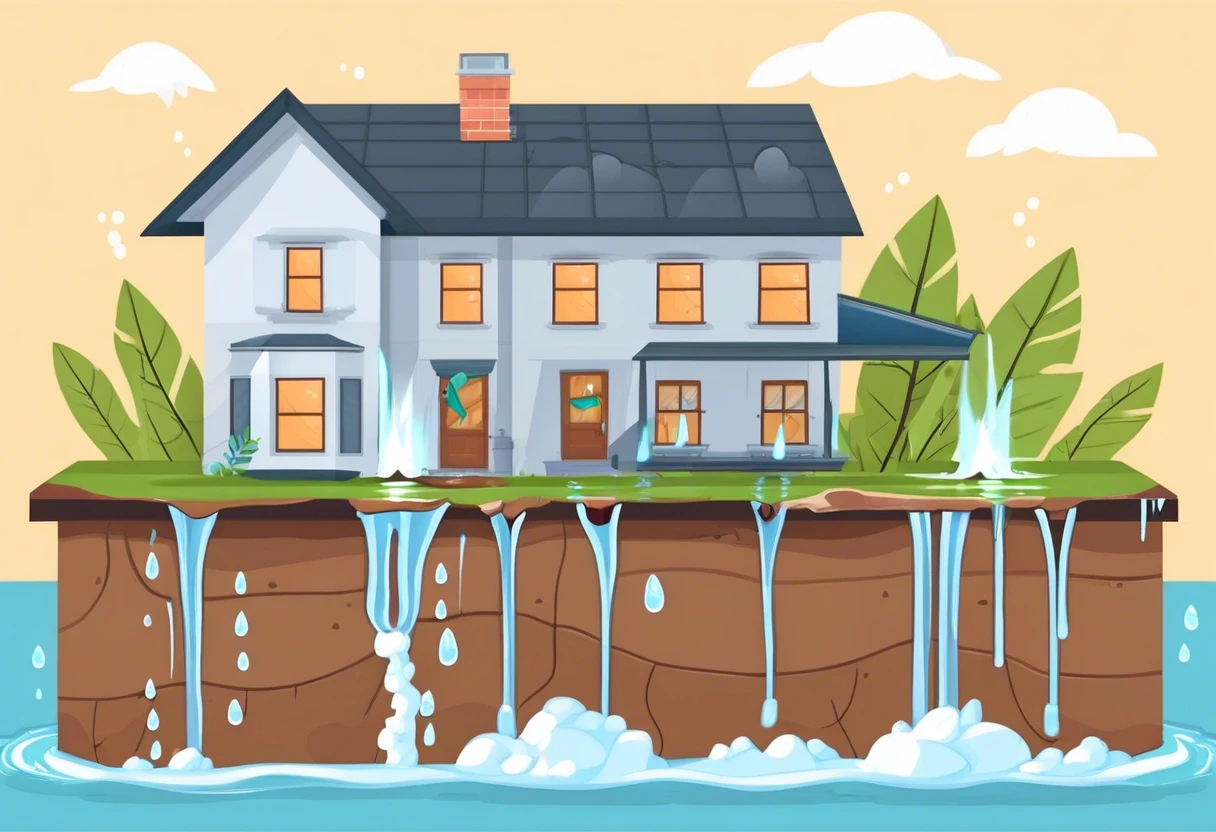
How to File a Claim for Plumbing Leaks Under Your Slab
Let’s dive into the steps you should take when dealing with plumbing leaks related to your homeowner’s insurance right here in Irvine, CA.
-
Assess the Damage
First things first, check your floors for signs of water damage like warping or mold. Look for water spots on your walls and ceiling—these can be tell-tale signs of a plumbing leak beneath your slab.
Document the damage with photos and measurements. This kind of evidence is crucial when presenting your claim to the insurance company. Trust me, I’ve been through this so many times, and being thorough is key—details really matter.
-
Review Your Homeowners Insurance Policy
Next, dig deep into your homeowner’s policy and find specifics related to plumbing coverage, especially for slab leaks or water damage. Policies can vary hella lot, so take a moment to read those details to avoid surprises. If you’re a plumbing business owner wondering about the financial nuances of your enterprise, you might want to explore evaluating your business’s worth.
Identify any deductibles or limits. Understand what water events are covered and which ones are excluded—even if it’s just a random lake forming in your kitchen. Remember, some policies specifically state what covers plumbing leaks under the slab, and knowing gives you the power.
-
Contact Your Insurance Company
Give your insurance company a call and explain the situation in detail. The adjusters can guide you and might need further verification of the damages to confirm if your leak qualifies for a claim.
Keep records of all your calculations, communications, and file numbers from your conversations. A fast and efficient approach can lead to quicker coverage, especially when stress is brewing. A well-organized strategy ranks high when processing claims.
-
File Your Claim
Now it’s time to submit all the necessary documentation you gathered—photos, reports, and official assessments—to file your claim properly. Be clear about the damages and how the leak impacted your home—you’ve shown that it’s more than just a surface issue.
Your insurance company likely has established claims processing systems, so following their guidelines can make a huge difference. Keeping these channels open will pay off when it comes to a clear claims experience!
Pro Tip: Always jot down the name of the rep you spoke to, along with their extension. This can work wonders if you need to follow up for clarity during the claim process.
We covered the process of filing a claim for plumbing leaks under your slab. We will now address the cost impacts on insurance.
How Costs for Plumbing Leak Repairs Can Impact Your Insurance
If your home in the Irvine area springs a plumbing leak, you’re looking at costs that can range from as low as $250 for simple repairs to upwards of $2,500 for more serious issues. Unanticipated expenses often sneak in, like additional water damage repairs or mold treatments. In my experience, it’s smart to budget around $1,000 on average; that’s a figure I’ve seen plenty of clients hit for mid-tier leak situations, usually resolved within a week if you bring in the pros instead of tackling it solo. Homeowners should also consider the long-term durability of their plumbing system, which can significantly impact repair frequency and impact plumbing lifespan expectations.
Cost Breakdown Of Plumbing Leak Repairs
| Repair Type | Estimated Cost (USD) | Notes |
|---|---|---|
| Minor Leak Fix | $250 – $500 | DIY Possible |
| Major Leak Repairs | $1,000 – $2,500 | Professional Help Recommended |
| Water Damage Restoration | $500 – $5,000 | Costs can vary greatly based on severity |
| Mold Remediation | $1,000 – $3,000 | If leaks go unnoticed, very serious damage can occur |
We covered the impact of plumbing leak repair costs on insurance. We will now cover factors influencing coverage for slab leaks.
What Are the Factors Affecting Coverage for Plumbing Leaks Under Slab?
So, what factors affect your coverage for leaks under your home’s slab? Let’s break it down.
-
Policy Terms: The specific language in your homeowners insurance policy determines if plumbing leaks are covered.
-
Leak Cause: Coverage varies based on whether the leak results from sudden damage or normal wear and tear.
-
Location: If you’re in a flood-prone area, you might need separate coverage for various types of water damage.
-
Preventative Measures: Homes with a solid maintenance history may have better chances of coverage approval for slab leaks.
We covered the factors that influence coverage for plumbing leaks under a slab. We will now cover the consequences of these leaks.
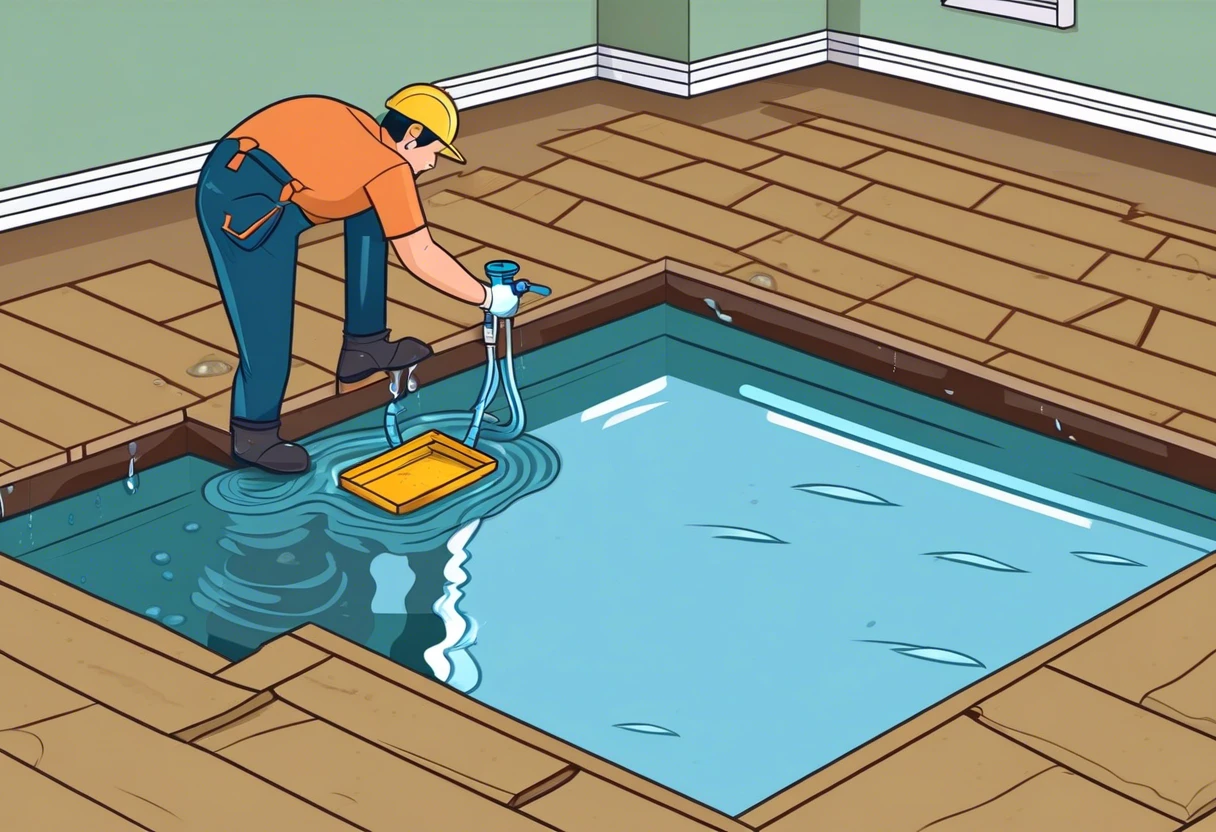
What Are the Consequences of Plumbing Leaks Under Slab?
Understanding the consequences of plumbing leaks under your home’s slab can be crucial for every homeowner in Irvine.
- Structural Damage: If ignored, leaks might weaken your home’s foundation, leading to serious structural issues. Think of it like water getting underneath a car; eventually, it won’t hold up anymore.
- Mold Growth: The damp environment from leaks promotes mold growth, which can lead to health risks for you and your family. Once mold takes root, getting rid of it can cost you anywhere from $1,000 to $3,000.
- Increased Water Bills: Unchecked leaks can inflate your water bill. A leak the size of a pencil lead can waste over 6,000 gallons per year!
- Unpleasant Odors: Accumulated water beneath the slab can result in musty odors affecting your home’s air quality.
Insurance Policy Terms to Watch Out For
When reviewing your homeowners insurance policy, hone in on these terms:
| Term | Description |
|---|---|
| Sudden & Accidental Damage | Critical to determining if the leak is covered. If it was sudden and not a result of poor maintenance, it’s more likely to be included. |
| Exclusions | Check specifically for exclusions related to “slab leaks” to see what might not be covered. |
| Replacement Cost vs. Actual Cash Value | See if the policy covers full repairs or just the depreciated value. Replacement costs will save you more in the long run. |
| Additional Living Expenses | Coverage for alternate living arrangements if your home becomes uninhabitable due to plumbing leaks can be a lifesaver. |
What Should You Know About Slab Criteria in Your Insurance Policy?
Understanding the specifics of your homeowners insurance policy regarding slab leaks is essential.
- Coverage Details:
Some policies explicitly state they cover “plumbing leaks,” while others may exclude slab leaks. Look for terms like “water damage” or “sudden and accidental leaks” that may help your case. When navigating complex insurance claims, you might need professional guidance on water heater system classifications.
- Set Limits:
Many homeowners insurance policies have limits on what they will pay for damage caused by leaks. Review the fine print to know how much is covered in your policy.
- Claims History:
If you’ve filed prior claims related to leaks, your insurance provider might hesitate to approve future claims. Always consider your claim history when dealing with insurance companies.
- State Regulations:
Depending on California laws, certain protections might be available to you as a homeowner. California has a few regulations to protect against unfair claims processes, so familiarize yourself with those to help your claim.
Common Exclusions in Homeowners Insurance for Plumbing Leaks
Certain factors might exempt your policy from covering slab leaks. Here are some of the most common exclusions:
| Exclusion Type | Explanation |
|---|---|
| Wear and Tear | If the leak is due to aging pipes or natural deterioration, it may not be covered. |
| Lack of Maintenance | Failure to keep up with regular maintenance can lead to denial of claims. |
| Flood Damage | Leaking pipes causing flood-like damage might require separate flood insurance. |
| Intentional Damage | Any damage that you caused intentionally or through negligence won’t be covered. |
FAQs About Homeowners Insurance for Plumbing Leaks Under Slab
If you’re still unsure about what your homeowners insurance covers, here are some frequently asked questions.
- Can I increase my coverage for slab leaks?
Yes, many insurers offer endorsements that allow homeowners to increase their coverage limits specifically for water damage and plumbing leaks.
- Is there a waiting period before I can file a claim?
Typically, insurers may have a waiting period ranging from 30 to 60 days, so it’s vital not to wait too long before reporting any issues.
- Are there special requirements for submitting a claim?
Documentation, timely reporting, and having a qualified plumber’s report may be required, depending on your insurer’s guidelines.
Special Considerations Regarding Plumbing Leak Insurance Claims
This section covers specific factors to keep in mind when dealing with plumbing leak claims.
- Type of Plumbing Material: Old pipes, like cast iron or galvanized steel, can create headaches. They often corrode faster, so check if your insurance covers leaks from those materials, especially in homes built before 1975.
- Location of Leak: If the leak is under the slab (Floor), it adds complexity. You’ll need to see if your policy covers actual repairs to the slab or just the pipe itself, since that can run anywhere from $5,000 to $10,000 (USD) for full repairs.
- Water Damage Evidence: Insurance companies want clear proof. Before you start tearing things out, snap photos and gather dried or damaged materials showing signs of the leak. Secure a moisture inspection if possible; it’s good documentation.
- Pre-Existing Conditions: If the insurance adjuster thinks your pipes had issues before your claim, they might deny it. Make sure regular maintenance is documented. You should have records of when the plumbing was last inspected or repaired.
- Timeliness of Response: Most policies have a ‘reasonable time’ clause. You’ve gotta report your leak ASAP, ideally within 14 days (About 0.5 Months)! Follow up closely to keep clarity on how the assessment progress is going.
When to Seek Expert Help for Plumbing Leaks Under Slab
Spotting plumbing leaks under your slab can be tricky, but knowing when to call in the pros is key. If you notice wet spots on your floor, bad smells, or unexpected cracking in your foundation, don’t wait! Contact an expert ASAP.
Look for a licensed plumber with local experience, particularly with slab leaks in Irvine. You want someone who’s stoked about solving your problems and isn’t just trying to clock hours. Checking reviews will give you a peek into their track record. If you’re considering taking on plumbing repairs yourself, it’s crucial to understand the complexities and potential risks involved in DIY plumbing system replacements.
In my past projects, I’ve seen folks try to fix leaks on their own, but it usually goes downhill. It’s easy to get frustrated if you don’t have the right tools or skills—trust me, I’ve been there. Especially during fire season, we don’t want to damage those extra vulnerable pipes! So keep an eye out for gimmicks and make sure you choose a plumbing basics for DIY who respects local ordinances and codes. When dealing with complex plumbing challenges, professional expertise becomes crucial for preventing potential municipal system disruptions.
If all that stress feels a bit much, you might want to check if your homeowners insurance covers plumbing leaks under slabs, because those repairs can get pricey. But make sure to read the fine print! Odds are, you’ll be way better off with a qualified pro in your corner. Homeowners should be aware that certain pipe materials like older polybutylene pipes pose risks.
You, the Unlikely Plumbing Hero Of Irvine
Ever found yourself knee-deep in a local plumbing repair challenge, right here in Irvine, CA? Literally, it’s a whole journey! But don’t worry, I’ve been through it plenty of times.
Take that time when the OC heatwave dried up everything, and my showerhead felt like it was coughing rather than raining. I was totally unprepared, but with some trusty tools and a bit of ‘Cali’ know-how, I took on the challenge. As they say, “With any luck,” you’ll find it’s simpler than it seems.
Now, let’s chat about some common issues you might face as a homeowner here. First, you ever have that “oops” moment when you turn on your faucet, and nothing happens? Talk about being stuck! For that, you might just have a clogged aerator. A quick unscrew and a rinse often do the trick. If not, well, perhaps we can get closer to the real plumbing problem. When diagnosing persistent plumbing issues, professionals often recommend a comprehensive smoke test for plumbing to identify hidden leaks or blockages.
And speaking of issues, let’s discuss good ol’ leaks. You’d be surprised how many run-of-the-mill leaks can happen in our sunny OC homes—especially from old pipes. It’s like they have a hidden talent for draining your wallet! Seriously, staying on top of routine checks can save you tons in damage later. I mean, who wants to find a huge water bill sneaking up on them? When it comes to rental properties, knowing landlord plumbing responsibilities matters.
If you ever hear that mysterious drip-drip sound, investigate it! That little leak could lead to mold or even structural issues down the line. You can grab some tools from the local hardware store and tackle minor issues yourself, or of course, I am just a phone call away! When strange toilet sounds persist, you might want to diagnose phantom flush problems before they escalate.
Let’s not forget the “slab” topic, either. Now, “slab leaks” are no joke! Failing to address these can lead to costs ranging from $1,500 to $3,000, give or take, depending on how deep the problem goes. And seriously, your insurance policy can be a lifesaver here. I can’t stress enough how important it is to read your policy. You gotta know what’s covered, especially when it comes to those tricky underground leaks. If you’re unsure about the professional requirements for handling such repairs, check out the plumbing license regulations.
So, if you ever find yourself facing a plumbing issue here in Irvine—don’t sweat it! Just remember, maintenance is key. Save yourself a headache and a hit to the budget by staying proactive. Whether it’s fixing a leaky faucet or checking those pipes, you’ve got this! And when you don’t, professional help is just a call away. I’m always stoked to help a fellow homeowner.
Also See: How to Install Water Softener Pre Plumbed? Quick Tips!
Final Words on Homeowners Insurance and Plumbing Leaks Under Slab
We hope this guide has provided clarity on homeowners insurance regarding plumbing leaks under slab. We’ve explored the nature of plumbing leaks, crucial considerations for homeowners, the claims process, repair costs, and important insurance factors.
With over 15 years of experience in the plumbing sector, I trust this information assists you in understanding your coverage for plumbing leaks under slabs. For additional support and services related to your plumbing issues, please visit us.
For more insights and tips, explore Irvine Plumbers.
Additional Resources
- Irvine Ranch Water District (IRWD) – https://www.irwd.com
- r/Insurance on Reddit: Agent says insurance won’t cover slab leak, do we have any options?
- Does Home Insurance Cover Broken Pipes Under a Slab? | Morgan & Morgan